


4 / 5
Customers recommend us
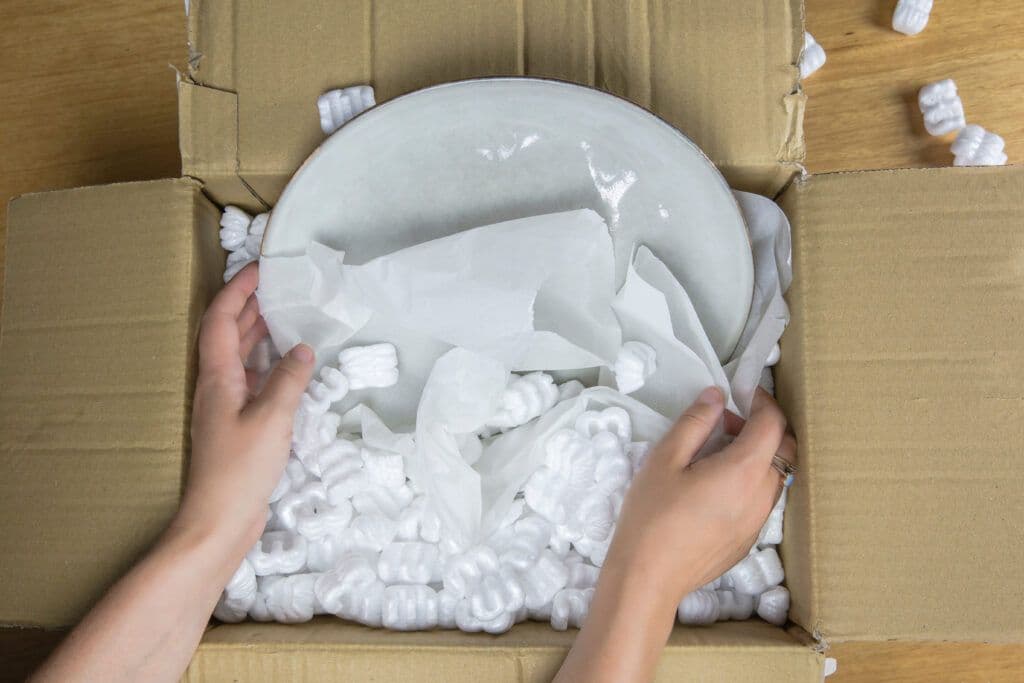
Packing is often the biggest job of a move, and the moment when most damage happens. With the right approach, the right materials and a little planning, you keep it manageable and everything stays intact. This guide walks you through it step by step: from gathering boxes to safely packing your most fragile belongings.


Packing is often the biggest job of a move, and the moment when most damage happens. With the right approach, the right materials and a little planning, you keep it manageable and everything stays intact. This guide walks you through it step by step: from gathering boxes to safely packing your most fragile belongings.

Good packing doesn't start with the first box, but with planning and materials. Begin two to three weeks ahead with things you don't use daily, work room by room, and keep the kitchen and bathroom for last. Make sure you have enough boxes, paper, wrap, covers and tape before you start. Running out halfway is the number one reason packing drags on. Combine this with our moving checklist for the full phase planning. One thing to remember: only items packed according to our packing instructions are covered by our insurance when moving.
📦 Sturdy boxes in two sizes: small for heavy items, large for light ones
📰 Packing paper or bubble wrap to protect fragile items and fill empty space
🛋️ Moving blankets, stretch wrap and furniture covers for furniture, mattress and large items
🏷️ Tape, markers and (coloured) labels to seal and label every box
Count on 8 to 12 boxes per room. An average family home quickly needs 40 to 60 boxes. What you need:
Tip: get 20% extra materials. Running short is exactly why packing stalls. Spare boxes are never a problem.
Finish one room completely before starting the next. Never mix contents from different rooms. The order:
Tip: one-room-at-a-time makes unpacking in your new home 3x faster. You know exactly which box goes where.
Heavy items in small boxes, light items in large ones. A big box of books becomes impossible to lift. Rules:
Tip: a box you can't lift comfortably is too heavy. The Dutch Arbo lifting norm of 25 kilos per person is a good limit. Above that the risk of back problems and broken boxes gets too high.
Write on top AND side which room the box belongs to and what's in it. Smart systematics:
Tip: a content list in Google Sheets or Notes on your phone works perfectly, invaluable if you later need to find something in storage.
Renovating, between two homes, or not everything fits in your new place straight away? Pack the things you won't need for a while and have them stored temporarily. We pick up your packed boxes and furniture at your door, keep them safe, climate-controlled and secured, and bring everything back as soon as you're ready. You pay monthly and cancel whenever you like.
By Bram Jansen, Lead Storage Advisor at Inbox Storage. Updated: June 2026.
Need more space during your move? Calculate your price in 60 seconds at Inbox Storage.
Enter your postcode and see in 60 seconds what temporary storage for your items costs.
DONE IN 60 SEC.
Not everything is packed the same way. Dishes go upright, books in small boxes, furniture taken apart and electronics ideally back in their original box. Below are the key rules per type. For the trickiest categories we have separate, in-depth guides: direct link in each Tip.
🍽️ Kitchen: plates upright, glasses wrapped individually, sharp and fragile items separate
📚 Books: small boxes, not too full; clothes hung or rolled
🛋️ Furniture: disassemble where needed, protect corners, never tape directly on furniture
📺 Electronics: original box or plenty of protection, keep cables with the device
Plates on their edge (not flat), glasses individually in paper, fragile items separate. Technique:
Tip: for detailed technique per item type, see our specific guide on packing dishes and glassware.
Books in small boxes, clothes hung or rolled. Smart techniques:
Tip: more on packing books and packing clothes in our specific guides, with technique photos.
Disassemble where possible, protect corners, never tape directly on furniture. Practical:
Tip: more on moving heavy furniture and specifically for fragile furniture (antique, glass, marble, design) in separate guides.
Use the original box if you have it, made for the device. Otherwise: blanket + wrap + 'fragile' label. Practical:
Tip: specific guides for packing electronics (TV, audio) and moving appliances (fridge, washing machine), with complete step-by-step.
Not everything goes into the van or storage. Pack a separate 'first day' box with things you'll need right away: toiletries, chargers, some clean clothes, coffee and toilet paper. Valuables and important documents, passport, contracts, keys, jewellery, take with you, never among the boxes. Pack this box last and unpack it first.
Step by step, room by room. That keeps packing manageable.
Short on space for a while? Calculate your storage price at Inbox Storage.
A few smart tricks make packing faster and safer, and a handful of classic mistakes cost you time, money or a damaged household. Below are the tips that make the difference and the pitfalls best avoided, followed by the questions we get asked most.
🧦 Socks around glasses, towels around plates: protection that's coming along anyway
🧴 Bottles? A piece of film under the cap prevents leaks in transit
📸 Photograph cables and screws before you take anything apart
🎨 Use colour codes per room on the box and on the room door in your new home
Roughly count on 8 to 12 boxes per room. For property types:
Tip: always take ~20% extra. Want to know how much storage space in m³ you need? See our separate guide with rules of thumb per property type.
For non-fragile items, fine. Just note that newspaper ink can rub off on light crockery, white textiles or delicate surfaces. For those, use clean packing paper or bubble wrap instead. Newspaper is ideal as cheap filler for empty space in the box.
Start with what you don't need daily: seasonal clothing, books, decorations and everything in the attic, basement or storage room. You can pack those weeks ahead. The kitchen, bathroom and your everyday items are packed last and unpacked first in your new home.
At Inbox Storage: only items packed according to our packing instructions qualify for cover in the event of damage. What that means:
Tip: more on coverage and options in our separate guide on insurance during a move, what's covered, what's not, and how to fill gaps.
With enough materials, a room-by-room approach and the right technique per item, your whole household arrives intact at its destination, whether that's your new home or temporary storage. If you need extra space during your move, we pick up your packed belongings at your door and keep them safe and climate-controlled until you need them again.
Questions about packing, insurance or storage? Our team is happy to help.
Calculate your storage price in 60 seconds at Inbox Storage.
Whether you're packing one room or a whole house, we pick up at your door and bring everything back when you're ready.