



4 / 5
Customers recommend us
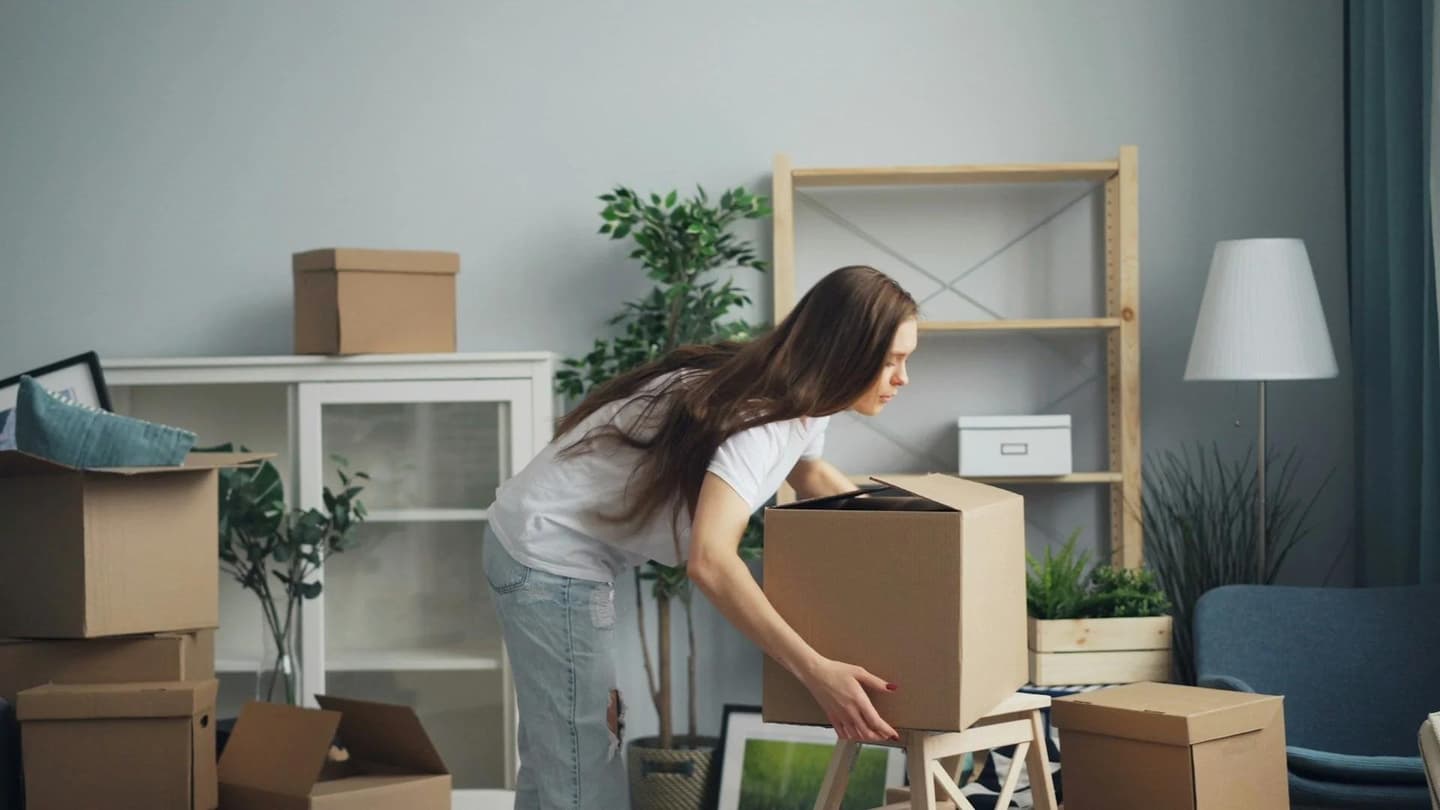
Your home feels fuller than it used to, but you don't know where to begin. Some things you can just give away; others you don't want to lose but need out of sight. In this guide: 30 concrete items that usually can go, three tests to decide what stays, and when storage is a smarter call than the thrift shop.

Your home feels fuller than it used to, but you don't know where to begin. Some things you can just give away; others you don't want to lose but need out of sight. In this guide: 30 concrete items that usually can go, three tests to decide what stays, and when storage is a smarter call than the thrift shop.

Most people know the cycle: tidy up on Saturday, full again a week later. That's because tidying is often just relocating — from attic to hallway, hallway to shed. Real decluttering takes two decisions: what can go (thrift shop, charity, online sale), and what you want to keep but not see (storage). Below: 30 items that usually fit the first category, grouped by room type.
Start with the wardrobe — that's where the most low-hanging clutter lives. Shoes you never wear (donate, they take 30+ years to break down at the dump), formal clothes worn once for a wedding, accessories that turned out not to be your style (the paisley scarf from London, the black-leather bag with studs), and that giant pile of thin dry-cleaning hangers — replace with a nice set of wooden or plastic ones, the rest goes. Tip: hang everything you're keeping with the hook reversed. Whatever's still reversed after 6 months hasn't been worn — toss-pile candidate.
Holiday postcards, thank-you cards, instruction manuals, old magazines, expired coupons — paper grows fast if you don't watch it. Books you 'might still' read usually go unread (Les Misérables, the beginner's Italian) — to the thrift shop, your great LP collection finally gets some breathing room. Then electronics: old iPods, Blackberries, chargers for devices that no longer exist, USB cables nobody uses anymore. Drop them at a recycling point — not the regular bin. Photos digitised, boxes of negatives can go.
The kitchen is full of small items eating drawer space. Pasta maker you've never used, meat thermometer, mini meat slicer: toss or donate. Spices you bought once for a specific recipe (sumac, asafoetida) — check the date and bin them. Personal care products in the bathroom have shelf lives (usually 12-24 months after opening): expired shampoos, sunscreen from 2021, old make-up — toss. Separating plastic packaging helps. Result: more space for what you actually use.
This is the harder pile. Souvenirs from trips you no longer look at (the plastic Eiffel Tower, the Big Ben snow globe), university sports club shirts, china dishes that 'might one day be valuable' — these are usually things where you assign value others don't see. Tip: photograph sentimental objects before giving them up, the memory stays and the object goes. For things that do mean something but fit a different life stage — Christmas decorations from an inherited house, furniture from a parent who passed — storage is a better call than thrift shop. Not lost, just out of sight.
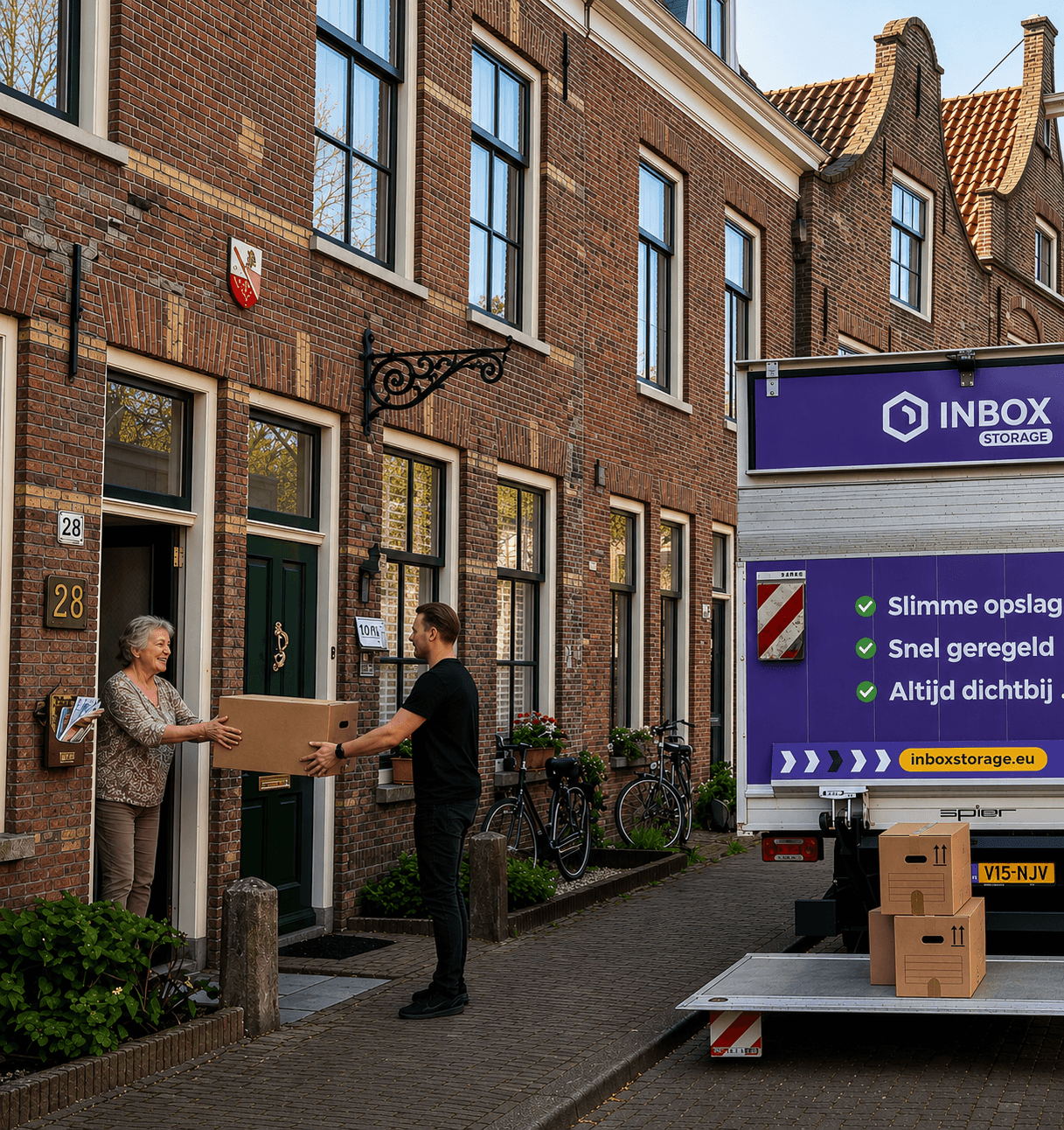
Not everything you want to clear out can actually go. Your grandmother's chair, the bookshelf waiting for the right wall, the box of baby clothes for the next child, the Christmas decorations that irritate you 11 months a year. For those things, storage is the answer: not lost, not in the way. Our advisory team helps thousands of Amsterdam, Rotterdam and Utrecht residents with exactly this choice each year — we drive to your door, pick up the maybe-pile, and bring it back when you have space again or you're ready.
🧹 Decluttering ≠ losing memories. Keep the photos, lose the object — saves you a dusty cabinet full of yesteryear.
📅 14-day test: untouched for 14 days? Doesn't belong in your living room. Toss or store.
📦 Three-pile system: give away / store / keep. Never make one pile — that just becomes the same mess in a pile.
♻️ Good causes for the toss-pile: clothing bank, thrift shop, online marketplace. Schedule a pickup day — otherwise it doesn't happen.
By Bram Jansen — head advisor at Inbox Storage. Last updated May 2026. Decluttering without regrets.
Maybe-pile items that can't go but need to be out of sight? Calculate your price in 60 seconds at Inbox Storage.
Enter your postcode and see in 60 seconds what storage for your maybe-pile costs.
DONE IN 60 SEC.
Keep the things you haven't decided about — we drive to your door and bring them back when you know what you want with them.